
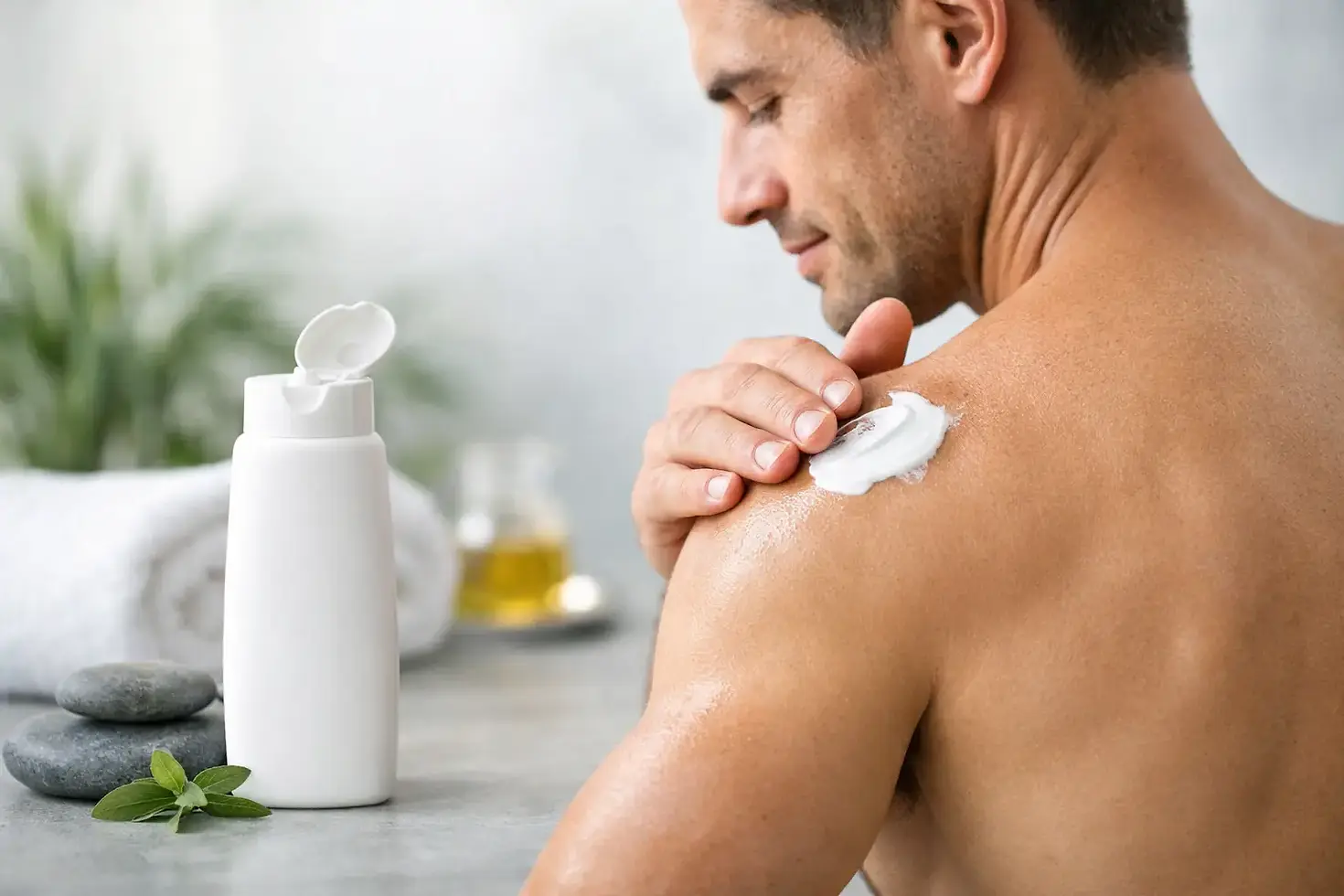
How Non Greasy Muscle Relief Lotion Works
- Jeramie Ibarra
- 3 days ago
- 5 min read
A sore back after yardwork, tight calves after a long walk, or shoulders that feel like they have been holding the whole day in place all call for the same thing: comfort that does not create another inconvenience. A non greasy muscle relief lotion is made for those everyday moments, offering a soothing massage experience without leaving your hands, clothing, or sheets feeling slick.
For many people, a topical product only earns a place in the routine when it feels good from the first application to the last. Natural ingredients matter, but so does being able to apply lotion before getting back to cooking dinner, helping with homework, heading to work, or relaxing with family. The right formula brings those needs together.
Why the Skin Feel Matters as Much as the Ingredients
When muscles feel tired or overworked, massage can be a simple and comforting part of slowing down. A lotion gives your hands enough slip to work over tense areas, but it should not sit heavily on the skin once you are finished. That is where formula makes a real difference.
Traditional balms and heavy oils can be useful for very dry areas or a longer massage, yet they are not always practical during a busy day. They may transfer onto fabric, leave fingerprints on your phone, or make it hard to get dressed right away. A lightweight lotion is often the better fit when you want targeted comfort without the lingering residue.
A well-made non-greasy formula absorbs comfortably while still leaving skin feeling moisturized. It should feel like care, not cleanup. This is especially helpful for areas people reach for often, including the neck, shoulders, hands, knees, feet, and lower back.
What Makes a Lotion Feel Non-Greasy?
“Non-greasy” does not mean stripped down or drying. It means the lotion has been balanced so moisture and botanical oils support the skin without leaving a heavy surface layer behind. The goal is a soft, comfortable finish that lets you move on with your day.
The texture usually comes down to the relationship between water-based moisture, plant-derived emollients, and the small amount of oils needed to carry an essential-oil blend. A lotion with too much oil can feel slippery for a long time. One with too little moisture may disappear quickly but leave skin wanting more. The sweet spot is a formula that spreads easily, gives you a moment for massage, and then settles in.
Essential oils also need thoughtful handling. They are concentrated plant extracts, not something most people should apply straight from the bottle. A ready-to-use lotion removes the guesswork of measuring and diluting oils at home. You get a convenient, skin-friendly way to enjoy aromatic topical care without a countertop full of ingredients.
When to Reach for Non Greasy Muscle Relief Lotion
Everyday muscle discomfort has many causes. Maybe you spent the morning gardening, sat at a desk longer than planned, carried groceries, traveled in the car, or returned to an activity after time away. A non greasy muscle relief lotion can become a small reset in those moments.
Apply it after movement when your body is ready to wind down, or use it as part of a gentle pre-activity massage when an area feels stiff. Some people keep it near the couch for evening use, while others tuck it into a gym bag or keep it in a desk drawer. The best time is the time you will actually use it consistently.
It is also a thoughtful way to make self-care feel more doable. You do not need an hour-long routine. A few quiet minutes spent massaging your shoulders, calves, or feet can create a welcome pause between the demands of the day and the rest you need.
A Simple Application Routine
Start with clean, dry skin. Apply a small amount of lotion to the area that needs attention, then massage with gentle, steady pressure until it is absorbed. If the area is larger, add more a little at a time rather than using a large amount all at once.
For shoulders and the upper back, slow circles can feel especially comforting after computer work or driving. For calves and feet, use upward strokes after a walk or standing for long periods. On hands, work the lotion into the palms, fingers, and wrists, then enjoy the fact that you can return to daily tasks without leaving an oily trail behind.
Wash your hands after application unless your hands are the area being massaged. Keep the product away from eyes, broken skin, and sensitive areas. As with any new topical product, test a small amount on a patch of skin first, especially if you know your skin is easily irritated.
Essential Oils Bring More Than a Pleasant Aroma
The aroma of pure essential oils can make a muscle-care routine feel more intentional. A fresh, herbaceous, or cooling scent may help signal that it is time to slow down, stretch, and give your body a little attention. That sensory experience matters. When a product feels pleasant to use, it is easier to make it part of your regular routine.
Still, scent should not be used to cover up a poor formula. Synthetic fragrance can be overwhelming for people who prefer a more natural personal-care routine. Choosing a lotion made with authentic essential oils and skin-loving ingredients offers a more grounded approach: purposeful aroma, practical moisture, and a comfortable finish.
The experience is personal. Some people want an aromatic boost after exercise; others prefer a softer scent in the evening. What matters most is finding a product you enjoy reaching for, not one that sits unused because it feels too strong, too oily, or too complicated.
Lotion, Balm, or Oil: Which Is Best?
There is no single right texture for every body-care moment. Lotions, balms, and oils each have their place.
A lightweight lotion is usually the everyday choice. It works well when you need to get dressed quickly, want to apply it at work or after errands, or simply dislike a shiny finish. It is also an easy option for regular use on hands, legs, shoulders, and feet.
A balm may suit very dry skin or a slower, more concentrated massage. Its richer texture can feel protective, but it may be less convenient if you need to handle clothing, electronics, or household tasks immediately afterward. Massage oils provide generous glide for a longer massage, yet they can be more likely to transfer to fabric.
Your preference may change with the season, activity, and area of the body. The key is choosing a texture that supports your routine rather than asking your routine to accommodate a product.
Make Muscle Comfort Part of Everyday Care
Topical lotion works best as one piece of a larger comfort routine. Gentle movement, a warm shower, stretching within your comfort level, hydration, supportive footwear, and enough rest can all help your body recover from ordinary demands. Think of lotion as a simple touchpoint - a way to pause and care for the areas that carry you through the day.
Healthy Embraces Deeper Relief Lotion is designed with that practical rhythm in mind: pure essential oils, botanical moisture, and a lightweight feel that makes daily application easy. It is ready to use when your body needs a little extra care, with no DIY blending required.
Of course, everyday soreness is different from severe or persistent pain. If discomfort is sudden, intense, follows an injury, includes swelling or numbness, or does not improve, speak with a qualified health care professional. Natural topical care can support a comforting routine, but it is not a replacement for medical guidance.
The most helpful wellness products are often the ones that remove friction from your day. Keep a lotion you enjoy within reach, use it when your muscles ask for a little attention, and let those small moments of comfort make more room for the things you love to do.